
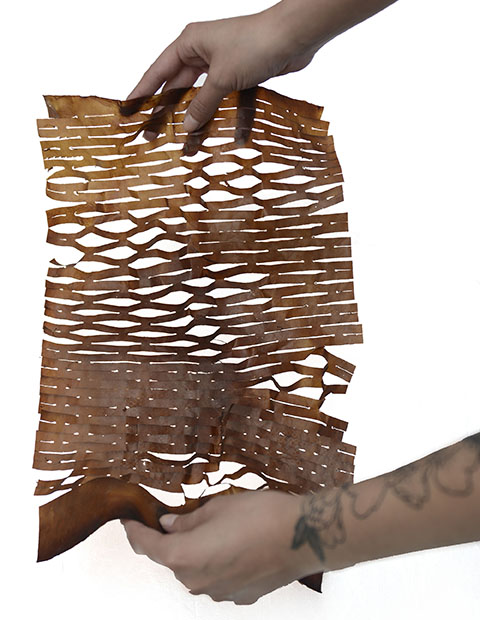
bio-materials
Unlike traditional plastic-based materials, which can take centuries to degrade and release toxic substances into the environment, biomaterials are designed to safely and quickly reintegrate into the natural nutrient cycle.
Characteristics of Biomaterials:
Biological Origin
Produced from renewable resources such as plants, algae, fungi, or organic waste.
Compostability
They decompose through the action of microorganisms in a relatively short period of time — usually within a few months.
Non-Toxic
When decomposing, they do not release toxic substances but instead become nutrients for the soil.
Sustainable
They do not include any extractive raw materials. Both the raw materials and the processes align with the principles of the circular economy, where waste is transformed into products and, at the end of their useful life, into fertile soil that gives rise to new raw materials
Benefits of Compostable Biomaterials
- Replacement of traditional polluting materials: Their use is environmentally friendly, as they replace toxic materials that take centuries to degrade — such as plastic, leather, ceramics, and cement
- Waste reduction: They decrease the amount of solid waste sent to landfills.
- Soil improvement: The resulting compost enhances the structure and fertility of the soil
- Lower carbon footprint: The production and decomposition of compostable biomaterials emit fewer greenhouse gases compared to conventional plastics.
- Promotion of the circular economy: They foster a more sustainable cycle of use, regeneration, and resource management.
Biomaterials represent an eco-friendly alternative to traditional materials, helping to reduce environmental impact and promote a more sustainable use of natural resources.
Can anyone practice biofabrication?
Designers, artists, industrial producers, and anyone who believes that individual actions and consumption matter can make a difference.
If we create compostable alternatives, reduce our polluting consumption, and understand the value of the circular economy, we may not reverse climate change — but we can certainly slow it down.
The best part is that you can biofabricate beautiful materials with incredible variety and endless uses, right in your own kitchen.